
dakwah.me - Ustadz Adi Hidayat
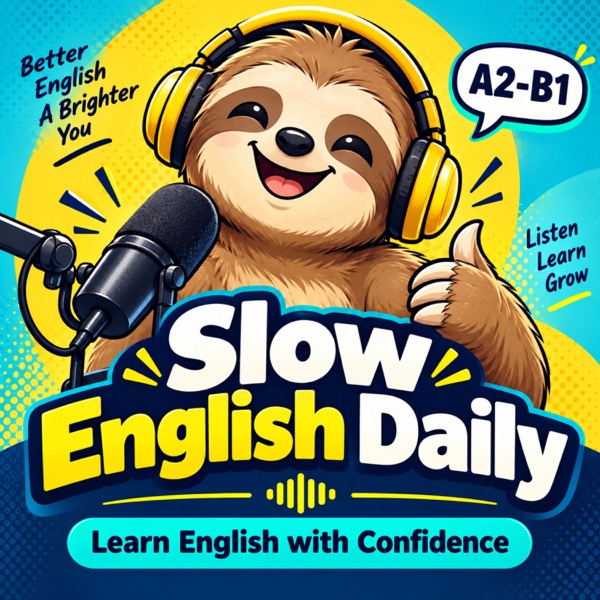
📄 PRACTICE PDF FOR THIS EPISODE: https://drive.google.com/file/d/1KFIG8yLdmi8Kd5w290UFO1WbDN9W6Q1X/view?usp=sharing ⭐ If you like the show, please leave a 5-star review. It helps other learners find us. Welcome to Slow English Daily, the podcast where you learn English by listening to slow, clear and simple spoken English. This is episode twenty-one, and today we talk about family in English. You will learn the words for every family member, from parents and siblings to grandparents, uncles, aunts, cousins, nieces and nephews. You will also learn family by marriage (mother-in-law, my in-laws), how to ask and answer "Do you have any brothers or sisters?", older and younger, "I'm an only child", the apostrophe s (my brother's name), the difference between "look like" and "be like", and how to talk about your relationship with your family. Key phrases from this episode: Do you have any brothers or sisters? I have one older brother and one younger sister. I'm an only child. My brother's name is Tom. I look like…
📄 PRACTICE PDF FOR THIS EPISODE: https://drive.google.com/file/d/1KFIG8yLdmi8Kd5w290UFO1WbDN9W6Q1X/view?usp=sharing ⭐ If you like the show, please leave a 5-star review. It helps other learners find us. Welcome to Slow English Daily, the podcast where you learn English by listening to slow, clear and simple spoken English. This is episode twenty-one, and today we talk about family in English. You will learn the words for every family member, from parents and siblings to grandparents, uncles, aunts, cousins, nieces and nephews. You will also learn family by marriage (mother-in-law, my in-laws), how to ask and answer "Do you have any brothers or sisters?", older and younger, "I'm an only child", the apostrophe s (my brother's name), the difference between "look like" and "be like", and how to talk about your relationship with your family. Key phrases from this episode: Do you have any brothers or sisters? I have one older brother and one younger sister. I'm an only child. My brother's name is Tom. I look like…
📄 PRACTICE PDF FOR THIS EPISODE: https://drive.google.com/file/d/1KFIG8yLdmi8Kd5w290UFO1WbDN9W6Q1X/view?usp=sharing ⭐ If you like the show, please leave a 5-star review. It helps other learners find us. Welcome to Slow English Daily, the podcast where you learn English by listening to slow, clear and simple spoken English. This is episode twenty-one, and today we talk about family in English. You will learn the words for every family member, from parents and siblings to grandparents, uncles, aunts, cousins, nieces and nephews. You will also learn family by marriage (mother-in-law, my in-laws), how to ask and answer "Do you have any brothers or sisters?", older and younger, "I'm an only child", the apostrophe s (my brother's name), the difference between "look like" and "be like", and how to talk about your relationship with your family. Key phrases from this episode: Do you have any brothers or sisters? I have one older brother and one younger sister. I'm an only child. My brother's name is Tom. I look like…
📄 PRACTICE PDF FOR THIS EPISODE: https://drive.google.com/file/d/11tt740kFK-Eomwh3m47GYdsj3_PZFZij/view?usp=sharing ⭐ If you like the show, please leave a 5-star review. It helps other learners find us. Welcome to Slow English Daily, the podcast where you learn English by listening to slow, clear and simple spoken English. This is episode nineteen, and today we talk about hobbies and free time in English. You will learn how to ask and answer "What do you do in your free time?", when to use play, go and do with sports and activities, how to say how often you do something (always, usually, often, sometimes, rarely, never, once a week, twice a week), how to say you are good or not so good at something, and how to keep a conversation about hobbies going. Key phrases from this episode: What do you do in your free time? What are you into? I love cooking. I go swimming twice a week. I do yoga in the morning. I'm not very good at it, but I enjoy it. I started two years ago. What do you like about it? You should come…
📄 PRACTICE PDF FOR THIS EPISODE: https://drive.google.com/file/d/13trTpqwp5Q6CNo_0zMShtBa-5E69l30m/view?usp=sharing ⭐ If you like the show, please leave a 5-star review. It helps other learners find us. Welcome to Slow English Daily, the podcast where you learn English by listening to slow, clear and simple spoken English. This is episode eighteen, and today we talk about the future in English. What is the difference between "will" and "going to"? In this episode you will learn the easy rule: "going to" is for plans, and "will" is for quick decisions, promises and guesses. You will also learn future time words, how to ask about someone's weekend, and how to talk about your hopes and dreams in simple English. Key phrases from this episode: I'm going to visit my mother on Sunday. What are you going to do this weekend? I'll close the window. I'll call you later. I don't think he'll come. I hope you have a nice weekend. I'd like to travel to Japan one day. This is English listening practice for A2 learners. Easy…
📄 PRACTICE PDF FOR THIS EPISODE: https://drive.google.com/file/d/1nvsH5zRKKWTGdBIXkAgbJoGDb-UNO2NU/view?usp=sharing All the phrases for giving opinions, agreeing and disagreeing, three dialogues including a group conversation, and exercises with a complete answer key. Printable, phone-friendly, yours forever. ⭐ PLEASE LEAVE A 5-STAR REVIEW If this podcast helps you, a five-star review takes one click and helps new learners find the show. How to give your opinion in English, and how to agree and disagree politely. Explained slowly and simply for beginners. Welcome back to Slow English Daily, the English learning podcast for people who can read English but freeze when somebody speaks it. In this episode your host Robin covers discussion English and conversation skills. Many learners have plenty of opinions, but only in their head. Somebody asks "what do you think?" and the answer is "yes, it's good" or "I don't know." Not because there is no opinion, but because there are no small words to start the sentence.…
📄 PRACTICE PDF FOR THIS EPISODE: https://drive.google.com/file/d/1N4pi55EqbV1ApceBABhoSX-aJFvmjzQ_/view?usp=sharing ⭐ If this show helps you, please leave a 5-star review. One click, and new learners find the podcast. Welcome to Slow English Daily, the podcast where you learn English by listening to slow, clear and simple spoken English. This is episode sixteen, and today we talk about telling a story in English. Nobody becomes your friend because you can order coffee. People become your friends when you tell them a story and they laugh. In this episode you will learn the ten past verbs that cover almost any story about your life, how to open a story, the "I was doing something when..." structure that is the engine of spoken English, the connecting words that hold a story together, how to end cleanly, and how to react like a native speaker when somebody tells you a story. Key phrases from this episode: You'll never guess what happened. I was waiting for the train when... So, then, suddenly, anyway, in the…